

DSU Students Help Older Adults Stay Safe Through Fall Prevention Clinics
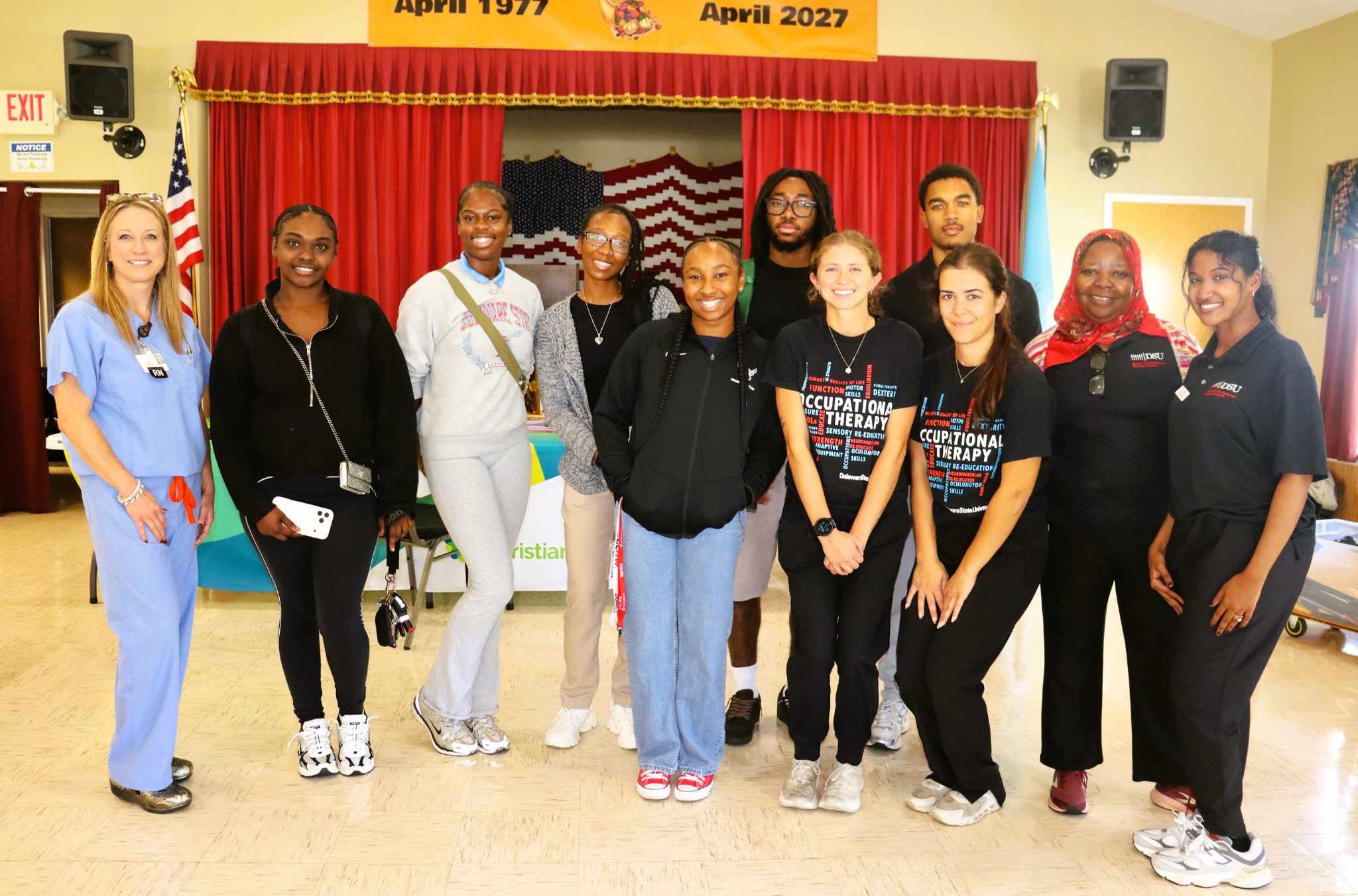
Delaware State University students are helping older adults stay safe and independent through fall prevention clinics held in communities throughout Delaware, providing health screenings and safety education while gaining valuable hands-on clinical experience.
Graduate students in the University’s Master of Occupational Therapy (MOT) program and undergraduate public health students are bringing their clinical skills directly into Delaware communities, supporting fall prevention efforts at locations including Harvest Years Senior Center in Camden and Luther Towers in Wilmington. Working directly with older adults, students help identify potential fall risks and share practical ways to improve safety and maintain independence.
The clinics, conducted in collaboration with the Delaware Injury Prevention Team, include blood pressure checks, risk assessments and screenings using STEADI (Stopping Elderly Accidents, Deaths & Injuries), an evidence-based fall prevention initiative. The clinics have also provided opportunities for students to collaborate with ChristianaCare health care professionals to offer participants fall prevention education and resources.
For students, the experience goes well beyond conducting assessments. It gives them an opportunity to connect with community members, listen to their concerns and develop the skills they will need as future health care professionals.
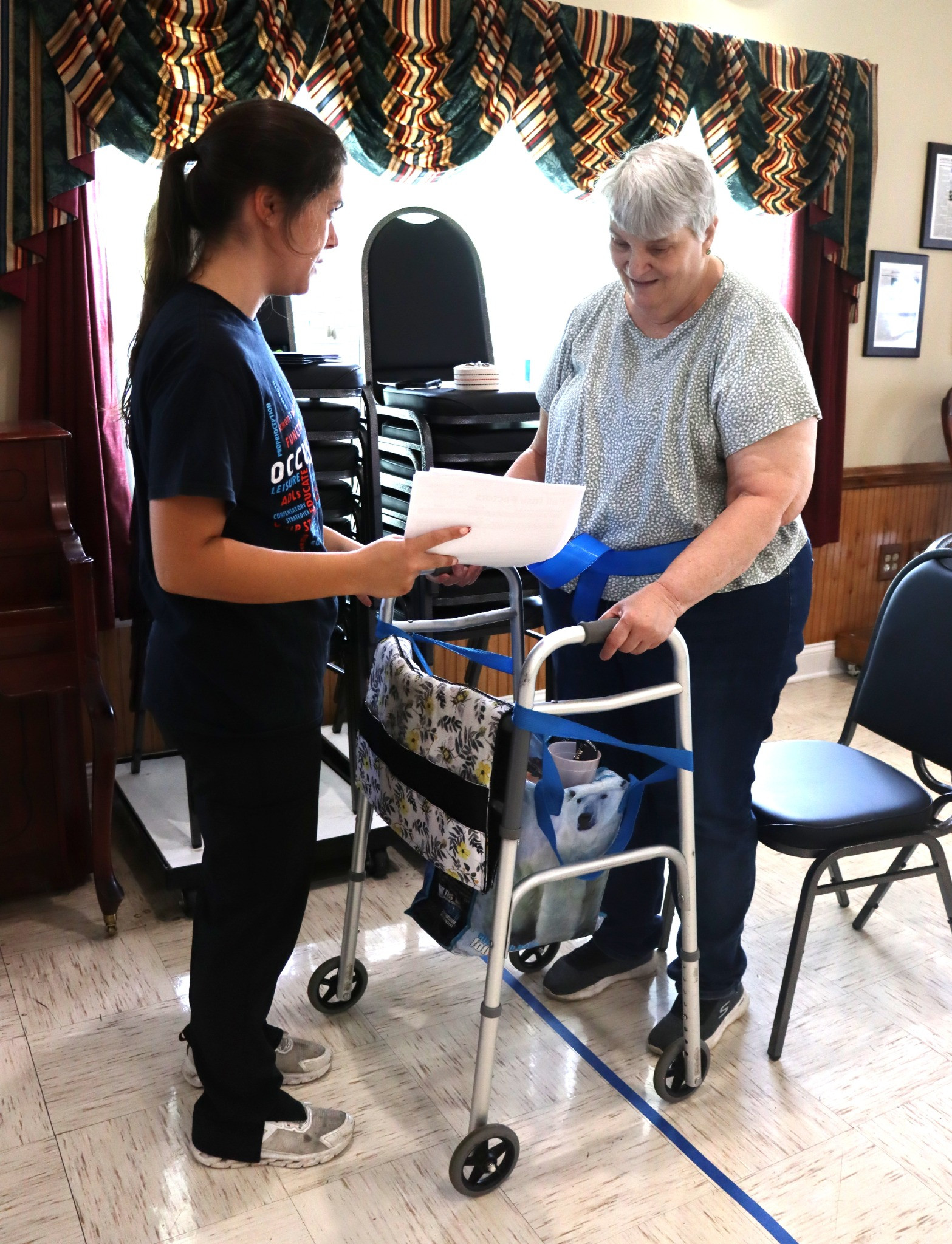
“These community clinics are a great opportunity to provide education about falls to our community while allowing our students the opportunity to develop clinical skills on real people,” said Lillian Gulledge, an assistant professor in the Master of Occupational Therapy program. “It is much different than learning on a classmate. They have the opportunity to engage with the community and work with other disciplines and professionals while doing very important work.”
MOT graduate student Meadow Watkinson said the clinics have strengthened her confidence and allowed her to apply what she has learned about mobility, safety and independence. She also gained experience adapting assessments to meet individual needs and offering guidance that participants could use in their everyday lives.
“The most rewarding part was being able to interact and provide information that could help them stay safe and independent in their everyday lives,” Watkinson said.
DSU student Hadeel Ahmed found that some of the most valuable lessons came from conversations with participants. Although her DSU training prepared her to conduct balance assessments and identify fall risks, working directly with older adults helped her better understand how those challenges affect their confidence and daily routines.
“One of the biggest things I learned was the importance of building one-on-one connections with participants,” Ahmed said. “Being able to observe someone experiencing balance difficulties firsthand gave me a better understanding of how these challenges can affect their daily lives.”
For Karaline Gillespie, the clinics have been especially valuable in preparing for fieldwork. The MOT student said the opportunity to work with community members has helped her become more comfortable communicating with patients and explaining clinical information in ways they can understand.
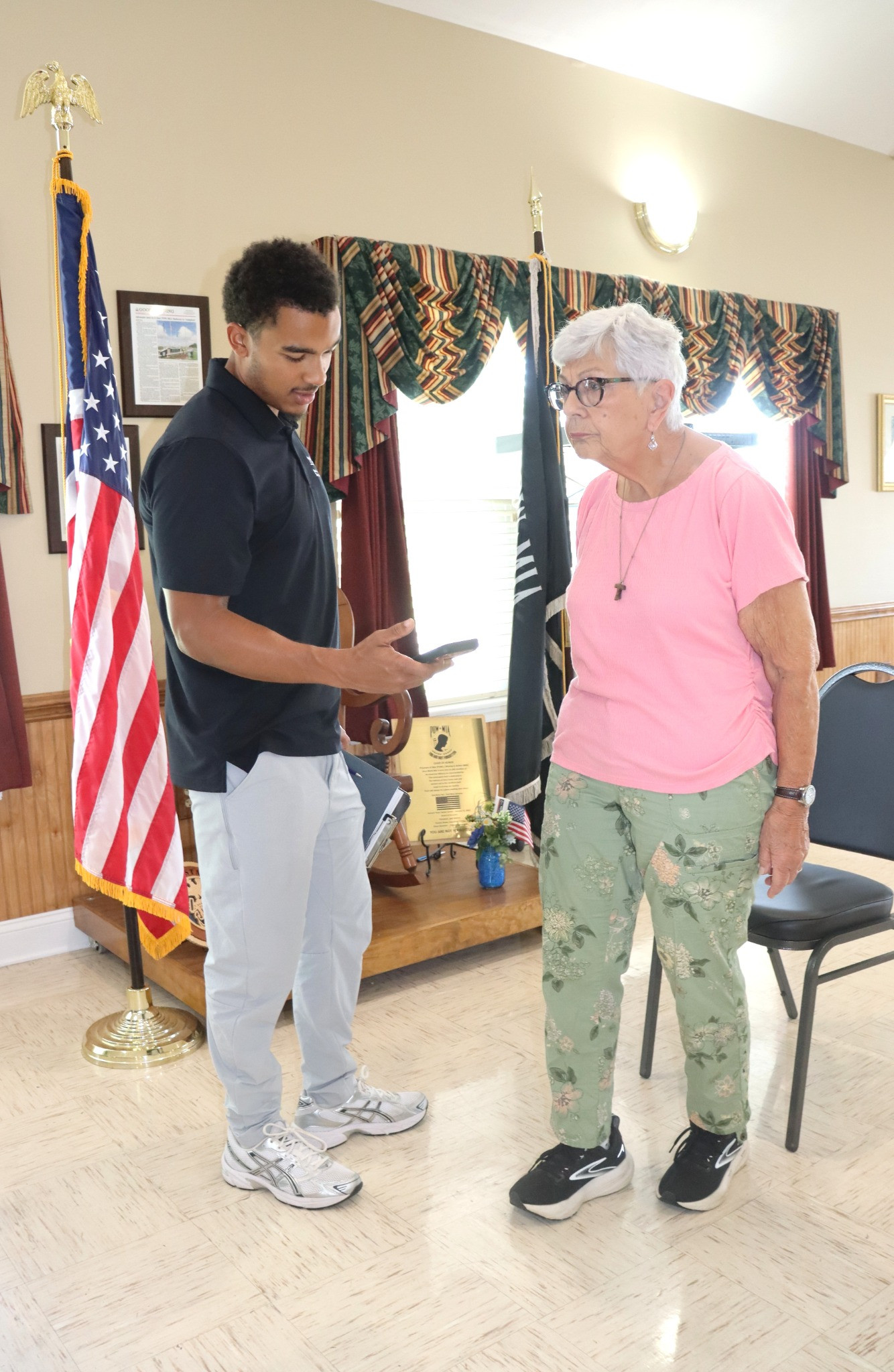
“Our professors do a great job at finding opportunities for us to practice these skills such as the falls clinics, so by the time I am entering fieldwork I believe I will feel confident in my clinical reasoning skills,” Gillespie said.
DSU student Kassidy Willey also credited her DSU education with helping her approach the clinics with confidence. Having practiced assessments in class, she was able to focus more on understanding participants’ concerns and offering recommendations suited to their individual needs.
“Having that background and training has allowed me to focus less on the mechanics of completing assessments and more on ensuring the clinic experience is client-centered,” Willey said.
As the clinics continue to reach communities across Delaware, DSU students are gaining experience that will shape their future careers while helping older adults make informed decisions about their safety and independence.