

Delaware State University earns national recognition for teacher preparation
The undergraduate elementary teacher preparation program at Delaware State University has earned an A+ from the National Council on Teacher Quality (NCTQ) for how well it prepares future teachers to teach reading to elementary students.
• Bachelor of Science in Elementary Education: A+ (View grade page)
The report, Teacher Prep Review: Decoding Progress in Reading Preparation, published on June 9, spotlights Delaware State University for meeting the standards set by literacy experts for coverage of the most effective methods of reading instruction. Specifically, this means the program is preparing aspiring teachers in all five components of scientifically based reading instruction, including phonemic awareness, phonics, fluency, comprehension and vocabulary, and avoids many instructional practices that research has shown to be ineffective or counterproductive for teaching children to read.
A child’s ability to read proficiently in the early grades shapes everything that comes next in school and in life, yet according to NAEP data, nearly half of fourth graders in Delaware cannot read at a basic level. Teacher preparation is one of the most direct levers available to change that—but only if it is aligned to the research-based instructional methods that have been proven to help most students become successful readers.
Delaware State University is part of a growing group of teacher preparation programs nationwide helping transform how future teachers are trained to teach reading.
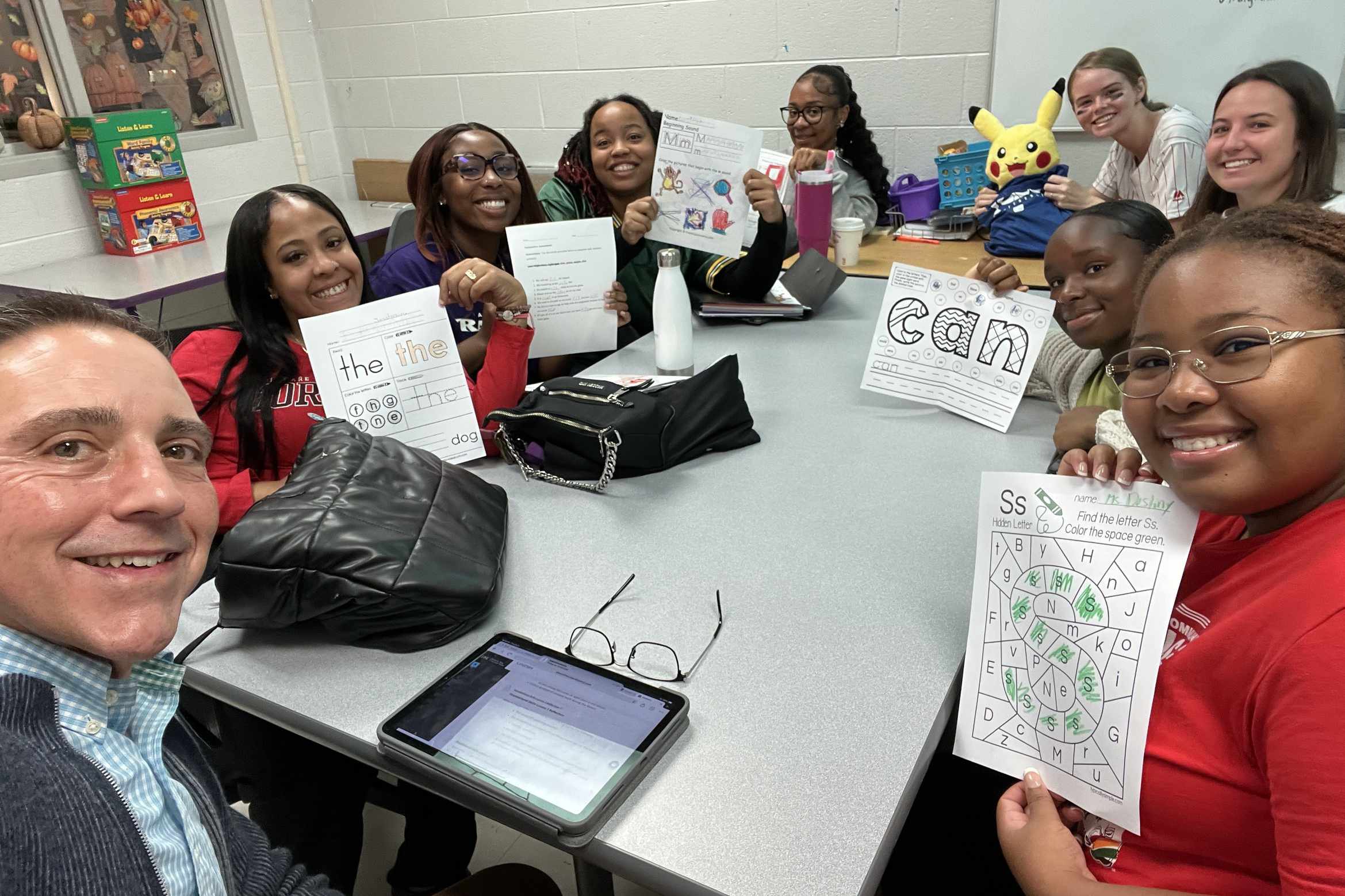
“This A+ rating from NCTQ highlights Delaware State University’s commitment to preparing highly effective elementary educators through literacy coursework grounded in the science of reading,” said Dr. Michael G. Ryan, Associate Professor of Elementary Education and the Elementary Education Program Coordinator. “Our redesigned program aligns evidence-based reading instruction with extensive classroom practice, giving teacher candidates opportunities to apply what they learn in real-world settings. By combining rigorous coursework with embedded field experiences and ongoing coaching, we are preparing future teachers to deliver high-quality literacy instruction and improve outcomes for students in Delaware and beyond.”
“Every child deserves a teacher who has been well prepared to teach reading, and every teacher deserves the opportunity to enter the classroom ready to help students succeed,” said NCTQ President Heather Peske. “Across the country, many teacher preparation programs still do not fully align with the science of reading, but Delaware State University is demonstrating what strong preparation can look like.”
NCTQ’s methodology is informed by a panel of reading experts, teacher preparation faculty, reading advocates and measurement experts. To evaluate the quality of preparation being provided, a team of experts at NCTQ analyzed syllabi, including lecture schedules and topics, background reading materials, class assessments, assignments and opportunities to practice instruction in required literacy courses for elementary teacher candidates at Delaware State University.
To earn an “A,” programs needed to demonstrate that coursework for future elementary teachers includes all five core components of scientifically based reading instruction and avoids teaching more than three instructional methods that are unsupported by research on effective reading instruction. To earn an A+, programs needed to exceed those targets and not teach any instructional practices that are unsupported by research.
“What truly sets DSU apart is its innovative embedded field experience model,” said Dr. Ryan. “Rather than waiting until student teaching to apply their learning, teacher candidates engage in authentic classroom experiences throughout their coursework, allowing them to practice evidence-based literacy instruction, receive immediate coaching and refine their skills in real-world settings.”
See NCTQ’s report, Teacher Prep Review: Decoding Progress in Reading Preparation for more information about Delaware State University’s coverage of the science of reading and to see how Delaware State University compares to other programs in Delaware or across the country.